
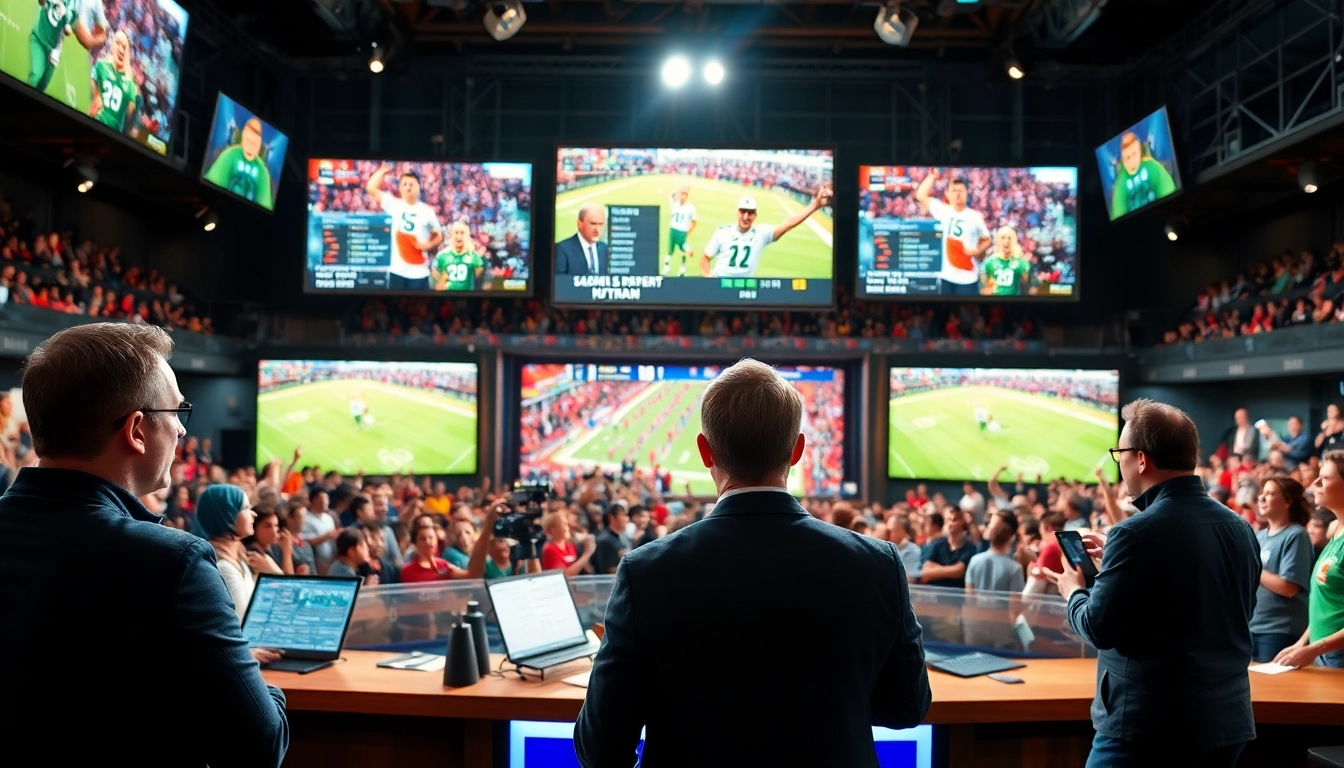
Understanding Sports Broadcasting Essentials
Definition of Sports Broadcasting
Sports Broadcasting refers to the live or recorded transmission of sporting events through various mediums such as television, radio, and digital platforms. It encompasses the entire process of covering a sporting event, including commentary, analysis, and production of related content. This sector provides fans a window into their favorite sports, enabling them to engage with the events in real time or on-demand—a vital aspect of modern entertainment.
History and Evolution of Sports Broadcasting
The journey of Sports Broadcasting dates back to the early 20th century, where radio first brought game announcements to the public. The advent of television in the 1950s marked a significant turning point, making it possible to visualize the action, thus revolutionizing how fans consumed sports. Over the decades, the introduction of cable TV expanded viewing options further, and the rise of the internet took broadcasting to unthinkable heights, paving the way for Sports Broadcasting on streaming platforms. Today, the integration of social media has transformed sports broadcasting into an interactive experience, where fans can engage in real-time discussions about games and events.
Current Trends in Sports Broadcasting
The landscape of Sports Broadcasting continues to evolve with technological advancements and shifting consumer preferences. Current trends include:
- Multi-Platform Streaming: Viewers now watch games on various devices, from smartphones to smart TVs, necessitating adaptive broadcasting strategies.
- Augmented and Virtual Reality: These technologies enhance the viewer experience, providing immersive environments that bring fans closer to the action.
- Focus on Analytics: Data analytics are becoming integral to broadcasts, offering insights into player performance and game strategy.
- Personalized Content: Tailored broadcasts catering to niche audiences are on the rise, enriching viewer engagement.
Key Technologies Shaping Sports Broadcasting
Broadcasting Equipment and Tools
The technological infrastructure behind Sports Broadcasting includes a variety of equipment. Cameras with advanced capabilities capture high-definition video and provide multiple angles. Microphones and mixers enhance audio quality, ensuring that the commentary is clear and lively. In addition, graphics systems play a crucial role by integrating real-time statistics and visuals that can captivate the audience and keep them informed.
Streaming Platforms and Their Impact
The emergence of streaming platforms has dramatically altered the Sports Broadcasting landscape. Traditional broadcasters now face competition from digital services that offer on-demand content. These platforms emphasize flexibility, allowing viewers to watch events live or catch up later. The integration of chat features and interactive polls has also created a community environment around broadcasts, keeping fans engaged.
Mobile Broadcasting Innovations
Mobile technology is increasingly pivotal in Sports Broadcasting. With an increasing number of fans consuming content on mobile devices, broadcasters have adapted to deliver quality content tailored for smaller screens. Innovations like mobile broadcasting trucks equipped with advanced technology provide seamless coverage, ensuring that the excitement reaches viewers instantly and effectively.
Creating Compelling Content in Sports Broadcasting
Effective Storytelling Techniques
The art of storytelling is critical in Sports Broadcasting. Narratives that focus on player journeys, team rivalries, and significant moments resonate with viewers on a deeper level. Creating content that tells a compelling story not only enhances viewer engagement but also allows fans to form emotional connections with players and teams.
Interviewing Players and Coaches
Interviews with athletes and coaches are an essential component of sports broadcasts. Conducting these interviews requires a blend of journalistic skill and interpersonal finesse to elicit honest and candid responses. This practice helps humanize sports figures, providing fans insight into their thoughts and motivations. Engaging storytelling comes alive through these interviews, making broadcasts richer and more relatable.
Utilizing Graphics and Stats Effectively
Graphics and statistics play a pivotal role in the narrative of a sports broadcast. When applied effectively, they can convey vital information quickly and engagingly. For instance, using infographics to highlight a player’s statistics can help audiences understand performance in a visual manner, enhancing comprehension and retaining interest during broadcasts.
Building an Audience for Sports Broadcasting
Engagement Strategies for Viewers
Engagement is crucial for building a loyal audience. Strategies such as creating interactive content, hosting live Q&A sessions, and fostering discussions on social media platforms keep fans invested in broadcasts. Highlighting community features, such as fan shoutouts or contests, can make viewers feel like part of the brand, further enhancing engagement.
Leveraging Social Media for Growth
Social media platforms are powerful tools for expanding audience reach. Broadcasters can utilize these platforms for real-time updates, highlight reels, and interactive content like polls and trivia to foster community interaction. By tailoring content to the preferences of their audience on social media, broadcasters can enhance engagement and encourage sharing to reach new viewers.
Collaborations and Sponsorships
Collaborations with influencers, athletes, or brands can signify powerful growth opportunities in audience building. Sponsorship deals not only provide financial backing but also allow for co-branded content that can resonate well with fans. These partnerships can enhance credibility and visibility, forging stronger connections with the audience.
Measuring Success in Sports Broadcasting
Performance Metrics for Broadcasters
Success in Sports Broadcasting is gauged by a variety of metrics. Viewership ratings, engagement levels on both broadcast platforms and social media, and revenue generated through advertising and sponsorships are crucial indicators. Utilizing analytics tools to monitor these metrics helps broadcasters adjust strategies for better results.
Viewer Feedback and Continuous Improvement
Soliciting and analyzing viewer feedback is essential for continuous improvement in Sports Broadcasting. Engaging with audiences through surveys, social media interactions, and comment sections provides broadcasters a pulse on viewer satisfaction, allowing them to refine content and presentation methods effectively.
The Future of Sports Broadcasting Analytics
As technology evolves, the future of Sports Broadcasting increasingly relies on sophisticated analytics. Advanced data analytics tools will offer broadcasters deeper insights into viewer preferences, behavior, and trends. Predictive analytics can guide content creation, ad placements, and even real-time broadcasting decisions, creating a more tailored and efficient viewing experience.
FAQs
What is Sports Broadcasting?
Sports broadcasting is the live or recorded transmission of sporting events through television, radio, or digital platforms.
What technologies are essential for Sports Broadcasting?
Key technologies include cameras, microphones, mixers, streaming servers, and graphics systems to enhance viewer experience.
How can I engage my audience in Sports Broadcasting?
Engagement can be increased through interactive social media posts, live polls, comment sections, and real-time analyses.
Why is storytelling important in Sports Broadcasting?
Storytelling fosters viewer connection and enhances emotional engagement, making the broadcast more memorable and impactful.
What metrics are used to measure success in Sports Broadcasting?
Common metrics include viewership ratings, audience engagement levels, social media interactions, and feedback from viewers.